
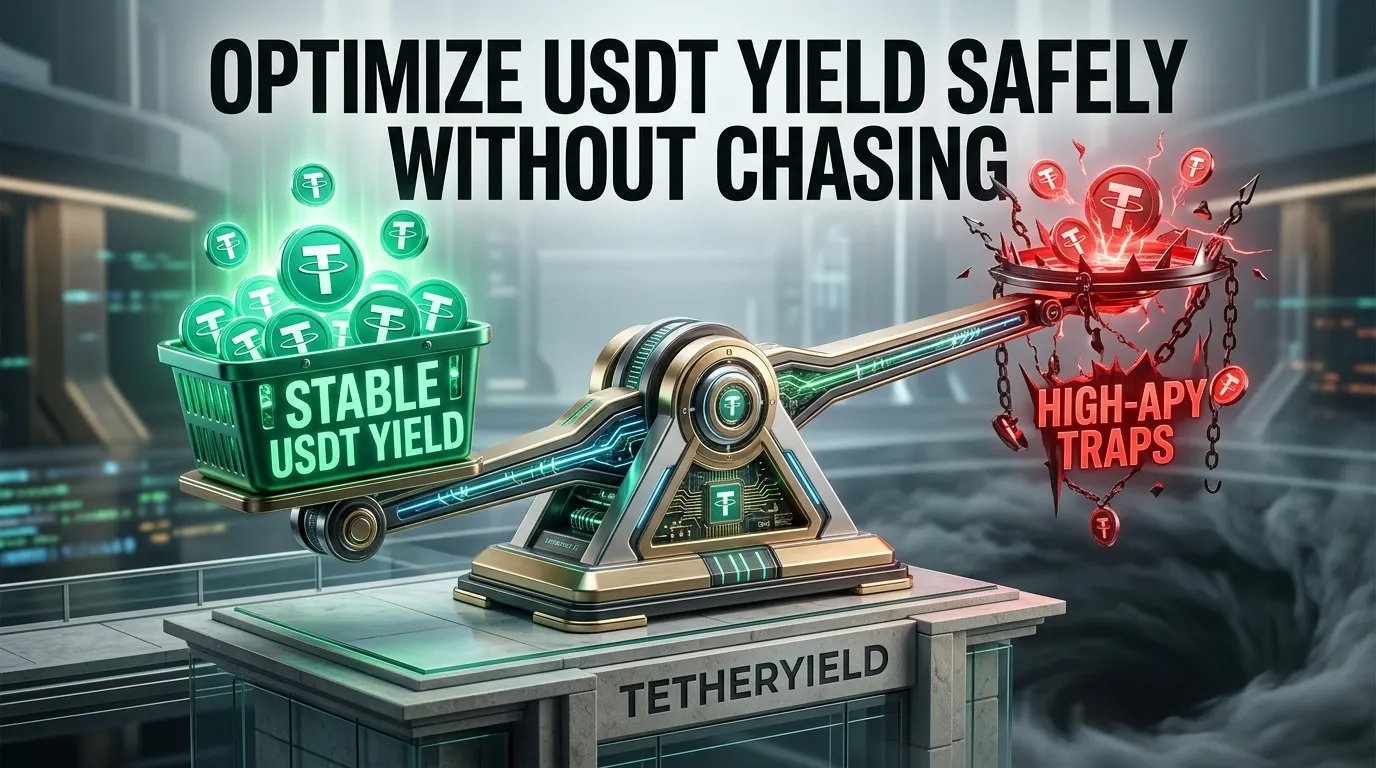
Konzentrieren Sie sich auf die reale Nettorendite, nicht auf aufgeblähte Werbezahlen
Auf der Suche nach passivem Einkommen lassen sich Krypto-Anleger häufig von astronomischen Jahresrenditen (APY) blenden. Hinter auffallend hohen Zahlen verbergen sich jedoch oft strenge Kündigungsstrafen, überhöhte Abhebungsgebühren und vorübergehende Werbeaktionen, die nach wenigen Wochen verfallen.
Bei TetherYield beginnt ein disziplinierter Ansatz mit der Berechnung der tatsächlichen Nettorendite unter realen Bedingungen. Wenn On-Chain-Netzwerkgebühren, Auszahlungsintervalle und Kapitalbindungsfristen einberechnet werden, schlägt ein stabiler und transparenter Zinssatz spekulative Hochrisiko-Versprechen jedes Mal.
- Unterscheiden Sie Nominal-APY von realem Nettoertrag: Ziehen Sie Netzwerküberweisungskosten und Plattformgebühren von Ihren Bruttoerträgen ab.
- Prüfen Sie die Flexibilität bei Abhebungen: Bevorzugen Sie den täglichen Zugriff auf gutgeschriebene Zinsen anstelle von Zwangslaufzeiten.
- Rechnen Sie mit konservativen Szenarien: Richten Sie Ihren Finanzplan an realistischen Basissätzen statt an kurzfristigen Marketinghöchstwerten aus.
- Wägen Sie Risiko und Ertrag ab: Prüfen Sie kritisch, ob ein geringer Zinsaufschlag das Risiko für Ihr Stammkapital tatsächlich rechtfertigt.

Bauen Sie Ihre Allokation auf disziplinierten Liquiditätsstufen auf
Das gesamte USDT-Guthaben als homogene Einheit zu betrachten, ist ein folgenschwerer Fehler im Risikomanagement. Beträge, die für den Lebensunterhalt oder für günstige Markteinstiege gedacht sind, dürfen keinesfalls in Festzins-Modellen gebunden werden – ganz gleich, wie attraktiv die Zinsrate erscheint.
Indem Sie Ihr Kapital in klare Liquiditätsstufen unterteilen, schaffen Sie eine wirksame finanzielle Brandschutzmauer. Diese Struktur ermöglicht stetige Zinserträge auf gebundene Mittel, ohne Ihre sofortige Reaktionsfähigkeit bei Notfällen einzuschränken.
- Stufe 1 (Sofortige Notfallreserve): Halten Sie liquide Mittel in Ihrer privaten Wallet für unmittelbare Ausgaben ohne Wartezeiten bereit.
- Stufe 2 (Flexibler Tagesertrag): Investieren Sie in flexible TetherYield-Pläne, um tägliche Zinsgutschriften bei voller Verfügbarkeit zu erhalten.
- Stufe 3 (Festes Wachstumskapital): Binden Sie Überschussmittel in Plänen mit fester Laufzeit, um höhere und planbare Erträge abzusichern.
- Liquiditätsgrundsatz: Binden Sie niemals Beträge in Festlaufzeiten, die Sie möglicherweise innerhalb der nächsten 30 Tage benötigen.

Streuen Sie echte Risikofaktoren, nicht bloß Anbieternamen
Viele Anleger wiegen sich in falscher Sicherheit, indem sie ihre USDT einfach auf mehrere Apps verteilen. Wenn jedoch alle diese Plattformen dieselben Verwahrungsmodelle, Smart-Contract-Brücken oder Liquiditätspartner nutzen, bleibt das systemische Risiko unverändert bestehen.
Echte Diversifikation setzt das Verständnis der zugrundeliegenden Betriebsabläufe voraus. Prüfen Sie Verwahrungsprotokolle, die Stabilität der verwendeten Blockchain-Netzwerke (TRC20, ERC20, BEP20) und die Abwicklungsmechanismen für Auszahlungen, bevor Sie Kapital verteilen.
- Prüfen Sie Gegenpartei-Abhängigkeiten: Stellen Sie fest, ob verschiedene Anbieter auf identische Liquiditätsmechanismen zurückgreifen.
- Kontrollieren Sie Blockchain-Netzwerkkosten: Wählen Sie kosteneffiziente Übertragungswege bei gleichzeitig verlässlicher Transaktionsgeschwindigkeit.
- Verstehen Sie Smart-Contract-Risiken: Machen Sie sich mit den kryptografischen Schutzmaßnahmen vertraut, die Ihr Guthaben absichern.
- Halten Sie die Struktur übersichtlich: Sorgen Sie dafür, dass Ihr Portfolio einfach genug bleibt, um es täglich transparent prüfen zu können.
Führen Sie regelmäßige Überprüfungen und Neuausrichtungen durch
Eine widerstandsfähige USDT-Ertragsstrategie ist keine einmalige Entscheidung nach dem Prinzip 'anlegen und vergessen'. Zinsumfelder verändern sich, Transaktionskosten schwanken und persönliche Lebensumstände wandeln sich im Laufe der Zeit.
Auf TetherYield führen vorausschauende Anleger regelmäßige Portfolio-Checks durch: Sie prüfen Auszahlungs-TxIDs, überwachen aktive Laufzeiten und passen Gewichtungen vor Verlängerungen an. Diese Routine schafft Verlässlichkeit und schützt Ihr Vermögen langfristig.
- Wurden die Berechnungsgrundlage für Zinsen oder das Gutschriftintervall vor Kurzem geändert?
- Funktionieren die Netzwerk-Auszahlungsgebühren und Übertragungszeiten wie gewohnt?
- Verfüge ich weiterhin über einen ausreichenden Puffer an sofort verfügbarem Bargeld?
- Ist der Anteil eines einzelnen Anlageplans im Verhältnis zum Gesamtvermögen zu groß geworden?
- Passen die aktuellen Vertragsbedingungen und Risikohinweise von TetherYield weiterhin zu meinen Zielen?
- Sollten angesammelte Tageszinsen auf Cold-Storage-Wallets transferiert oder in renditestärkere Pläne reinvestiert werden?