
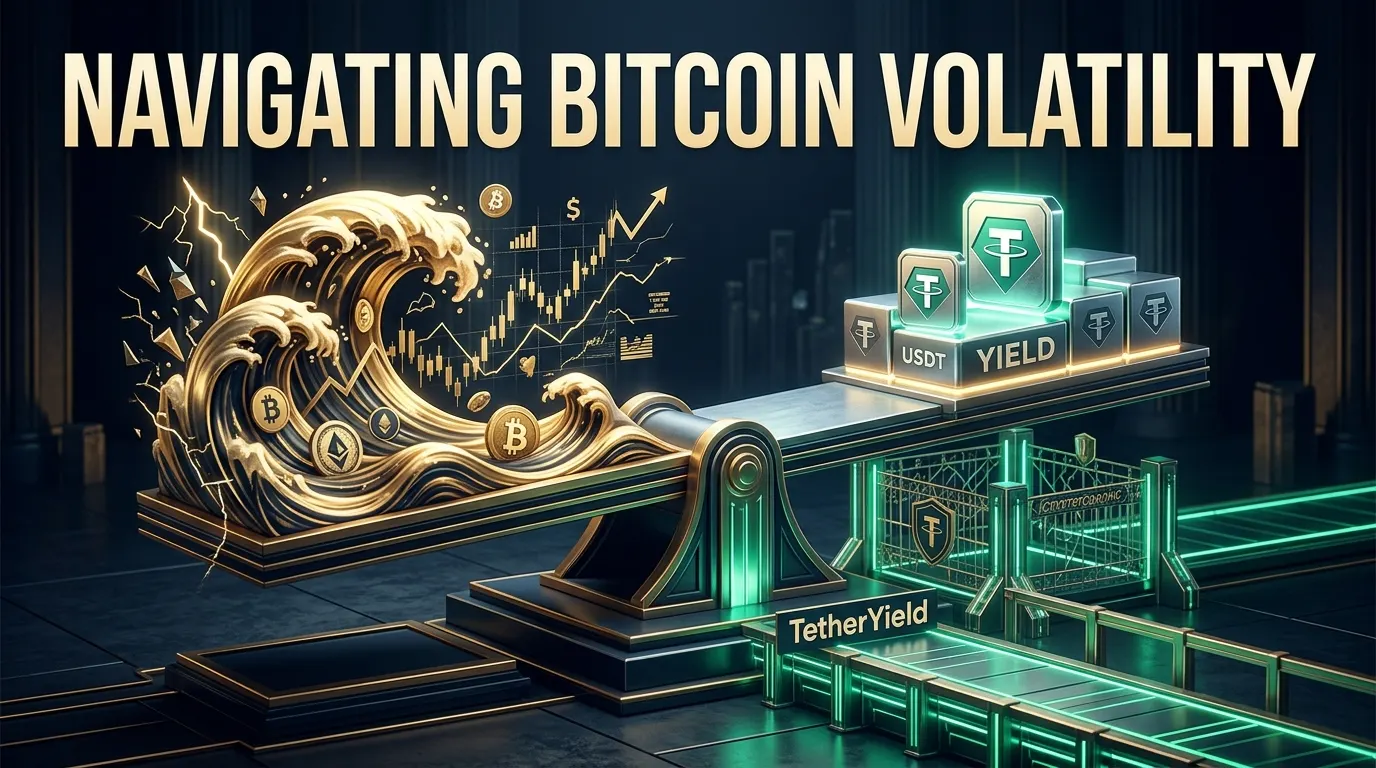
बिटकॉइन मूल्य के उतार-चढ़ाव को स्टेबलकॉइन के ऑपरेशनल तंत्र से अलग समझें
बिटकॉइन क्रिप्टो बाजार चक्रों का मुख्य इंजन है, जिसमें भारी तेजी के बाद अक्सर 20% से 30% तक की अचानक गिरावट देखने को मिलती है। जब बाजार में अत्यधिक उथल-पुथल होती है, तो अपनी पूंजी का एक हिस्सा USDT में स्थानांतरित करने से मुनाफा सुरक्षित हो जाता है और बड़े बिकवाली के दौर में आपकी क्रय शक्ति बची रहती है।
हालांकि, अनुशासित निवेशक स्टेबलकॉइन को कभी भी पूरी तरह जोखिम-मुक्त नहीं मानते हैं। BTC से USDT में बदलने से सीधे मूल्य गिरने का जोखिम खत्म हो जाता है, लेकिन इसके बदले ऑपरेशनल पहलू सामने आते हैं: जारीकर्ता का रिज़र्व, प्लेटफॉर्म की कस्टडी सुरक्षा, स्मार्ट कॉन्ट्रैक्ट की विश्वसनीयता और ऑन-चेन निकासी लिक्विडिटी। वास्तविक विविधीकरण के लिए यह समझना जरूरी है कि आप किन जोखिमों से बाहर निकल रहे हैं और कौन से नए जोखिम स्वीकार कर रहे हैं।
- बिटकॉइन का जोखिम मूल्य-आधारित है: यह वैश्विक नकदी, सट्टेबाजी और बाजार की सामूहिक धारणा से तय होता है।
- USDT का जोखिम ऑपरेशनल और ढांचागत है: यह जारीकर्ता की संपत्तियों, संस्थागत कस्टडी और ब्लॉकचेन नेटवर्क पर निर्भर करता है।
- USDT में पुनर्संतुलन करने से हासिल किया गया लाभ लंबी अवधि की बाजार गिरावट से सुरक्षित रहता है।
- एक परिपक्व पोर्टफोलियो दोनों परिसंपत्ति वर्गों का मूल्यांकन उनके वास्तविक जोखिम तंत्र के आधार पर करता है, न कि केवल अनुमानित रिटर्न पर।
भावनात्मक अटकलों के बजाय लाभ वसूली के कड़े नियम लागू करें
बिटकॉइन की तेजी के ठीक शीर्ष पर बेचने या भारी गिरावट के बिल्कुल निचले स्तर पर खरीदने की कोशिश एक ऐसा मनोवैज्ञानिक जाल है जो अनुभवी व्यापारियों को भी नुकसान पहुंचाता है। जरूरत से ज्यादा उत्साह लोगों को लंबे समय तक स्थिति बनाए रखने पर मजबूर करता है, जबकि घबराहट सबसे खराब समय पर बेचने को बाध्य करती है।
पेशेवर फंड प्रबंधक स्वचालित लाभ वसूली स्तर निर्धारित करके सफल होते हैं। जैसे ही बिटकॉइन पूर्व-निर्धारित मूल्य लक्ष्यों को पार करता है, लाभ का कुछ हिस्सा नियमित रूप से USDT में स्थानांतरित करके आप भावनात्मक दबाव को खत्म कर देते हैं। यह अनुशासन एक सुरक्षित नकदी भंडार तैयार करता है जो भविष्य के अवसरों का इंतजार करते हुए स्थिर दैनिक आय प्रदान करता है।
- निश्चित पुनर्संतुलन स्तर तय करें (उदाहरण के लिए प्रत्येक 25% मूल्य वृद्धि पर मुनाफे का 15% हिस्सा USDT में बदलना)।
- हासिल किए गए मुनाफे को तुरंत स्थिर परिसंपत्तियों में स्थानांतरित करें, ताकि वह अचानक होने वाले नुकसान से बचा रहे।
- लंबी अवधि के मुख्य बिटकॉइन निवेश को सक्रिय ट्रेडिंग और यील्ड पूंजी से स्पष्ट रूप से अलग रखें।
- काल्पनिक उच्च स्तरों के पीछे भागने के बजाय वास्तविक पूंजी सुरक्षा पर ध्यान केंद्रित करके चूक जाने के डर (FOMO) से बचें।
समझें कि सुस्त और मंदी के दौर में USDT कैसे वास्तविक यील्ड बनाता है
जब बिटकॉइन कई महीनों तक एक सीमित दायरे में घूमता है या लंबे समय तक सुधार के दौर में रहता है, तो वॉलेट में खाली पड़े क्रिप्टो कोई नकदी प्रवाह नहीं बनाते हैं। डॉलर पूंजी को पारदर्शी USDT यील्ड प्लान में आवंटित करने से समग्र बाजार की दिशा की परवाह किए बिना आपका फंड लगातार बढ़ता रहता है।
अपनी मूल पूंजी की सुरक्षा सुनिश्चित करने के लिए उस रिटर्न को चलाने वाले आर्थिक इंजन की जांच करना अनिवार्य है। टिकाऊ रिटर्न संस्थागत ऋण मांग, ओवर-द-काउंटर (OTC) मार्केट मेकिंग और ट्रेजरी समर्थित नकदी प्रवाह से आता है। उन प्लेटफॉर्मों से अत्यधिक सावधान रहें जो नए छपे हुए मुद्रास्फीतिकारी टोकन में भारी रिटर्न का वादा करते हैं, जिनका मूल्य बाजार सुस्त होते ही गिर जाता है।
- संस्थागत ऋण मांग: बाजार-तटस्थ मध्यस्थता लेनदेन के वित्तपोषण के लिए ब्याज चुकाने वाले सत्यापित उधारकर्ता।
- मार्केट मेकिंग लिक्विडिटी: प्रमुख व्यापारिक केंद्रों पर बड़े पैमाने पर स्टेबलकॉइन लेनदेन को सुगम बनाना।
- वास्तविक अर्थव्यवस्था से समर्थित नकदी प्रवाह: टोकन मुद्रास्फीति के बजाय वास्तविक डॉलर की मांग से जुड़ा लाभ।
- पारदर्शी दैनिक ब्याज क्रेडिट: नियमित नकदी प्रवाह जो बाजार के शांत महीनों में भी आपके कुल निवल मूल्य को मजबूत करता है।
पूंजी लगाने से पहले सबसे प्रतिकूल परिस्थितियों का तनाव परीक्षण करें
एक मजबूत निवेश योजना केवल अनुकूल परिस्थितियों पर निर्भर नहीं रहती; वह कठिन समय में रणनीति की मजबूती की जांच करती है। किसी यील्ड प्लान में पूंजी लॉक करने से पहले खुद से पूछें कि यदि बिटकॉइन रातों-रात 35% गिर जाए, नेटवर्क शुल्क बढ़ जाए या आपको कल ही आपातकालीन नकदी की आवश्यकता हो तो क्या होगा।
हमेशा निकासी समय, लॉकअप अवधि और समयपूर्व निकासी के नियमों की समीक्षा करें। स्पष्ट निपटान समयसीमा वाले प्लान चुनना और अपने निजी वॉलेट में आपातकालीन नकदी बफर बनाए रखना यह सुनिश्चित करता है कि बाजार के झटके आपको जल्दबाजी में नुकसानदेह निर्णय लेने पर मजबूर न करें।
- यदि बिटकॉइन 40% गिर जाता है और छह महीने तक सुस्त रहता है तो क्या मेरे दैनिक जीवन के खर्च प्रभावित होंगे?
- मेरी कितनी USDT दैनिक लचीली निकासी में रखी गई है बनाम निश्चित अवधि के लिए लॉक की गई है?
- निजी वॉलेट में फंड वापस लेते समय सटीक प्रोसेसिंग समय और ब्लॉकचेन नेटवर्क शुल्क क्या हैं?
- क्या भुगतान के पुष्टिकरण को स्वतंत्र ब्लॉकचेन एक्सप्लोरर पर सार्वजनिक TxID कोड के जरिए सत्यापित किया जा सकता है?
- क्या मैंने पर्याप्त विविधता रखी है ताकि किसी एक प्लेटफॉर्म पर तकनीकी समस्या आने पर मेरी पूरी बचत खतरे में न पड़े?
अस्थिर बाजारों में पूंजी संतुलन बनाए रखने के लिए 5-चरणीय चेकलिस्ट
एक अनुशासित चेकलिस्ट उस समय एक तार्किक सहारा बनती है जब क्रिप्टो जगत में उत्साह या भय का माहौल होता है। हर बाजार स्थिति में शांति बनाए रखने और पूंजी की सुरक्षा के लिए इन पांच मूलभूत नियमों का पालन करें।
TetherYield में पारदर्शिता और जोखिम प्रबंधन सर्वोच्च प्राथमिकता है। पूंजी लगाने से पहले हमारे सत्यापित प्लान नियमों, भुगतान चक्र और ट्रस्ट सेंटर दस्तावेजों की समीक्षा करें। जब आपका पोर्टफोलियो जिम्मेदार जोखिम प्रबंधन पर बनाया जाता है, तो बाजार का उतार-चढ़ाव एक खतरे के बजाय व्यवस्थित संपत्ति निर्माण का अवसर बन जाता है।
- उच्च लिक्विडिटी रिजर्व रखें: अपने स्टेबलकॉइन का कम से कम 20% से 30% हिस्सा तुरंत निकासी योग्य शेष में रखें।
- अवास्तविक रिटर्न के पीछे न भागें: उन अत्यधिक दरों से पूरी तरह बचें जो अपनी आय के स्रोतों को स्पष्ट रूप से प्रमाणित नहीं कर सकतीं।
- ट्रांसफर नेटवर्क में विविधता लाएं: नेटवर्क भीड़भाड़ से बचने के लिए TRC20, ERC20 और BEP20 जैसे स्थापित नेटवर्क का उपयोग करें।
- प्लान नियमों की नियमित समीक्षा करें: समकक्ष शर्तों, नवीनीकरण विकल्पों और निपटान चक्र की निगरानी करें।
- आधिकारिक प्रकटीकरण पढ़ें: पूंजी जमा करने से पहले TetherYield जोखिम प्रकटीकरण और प्लान नियमों को ध्यान से पढ़ें।